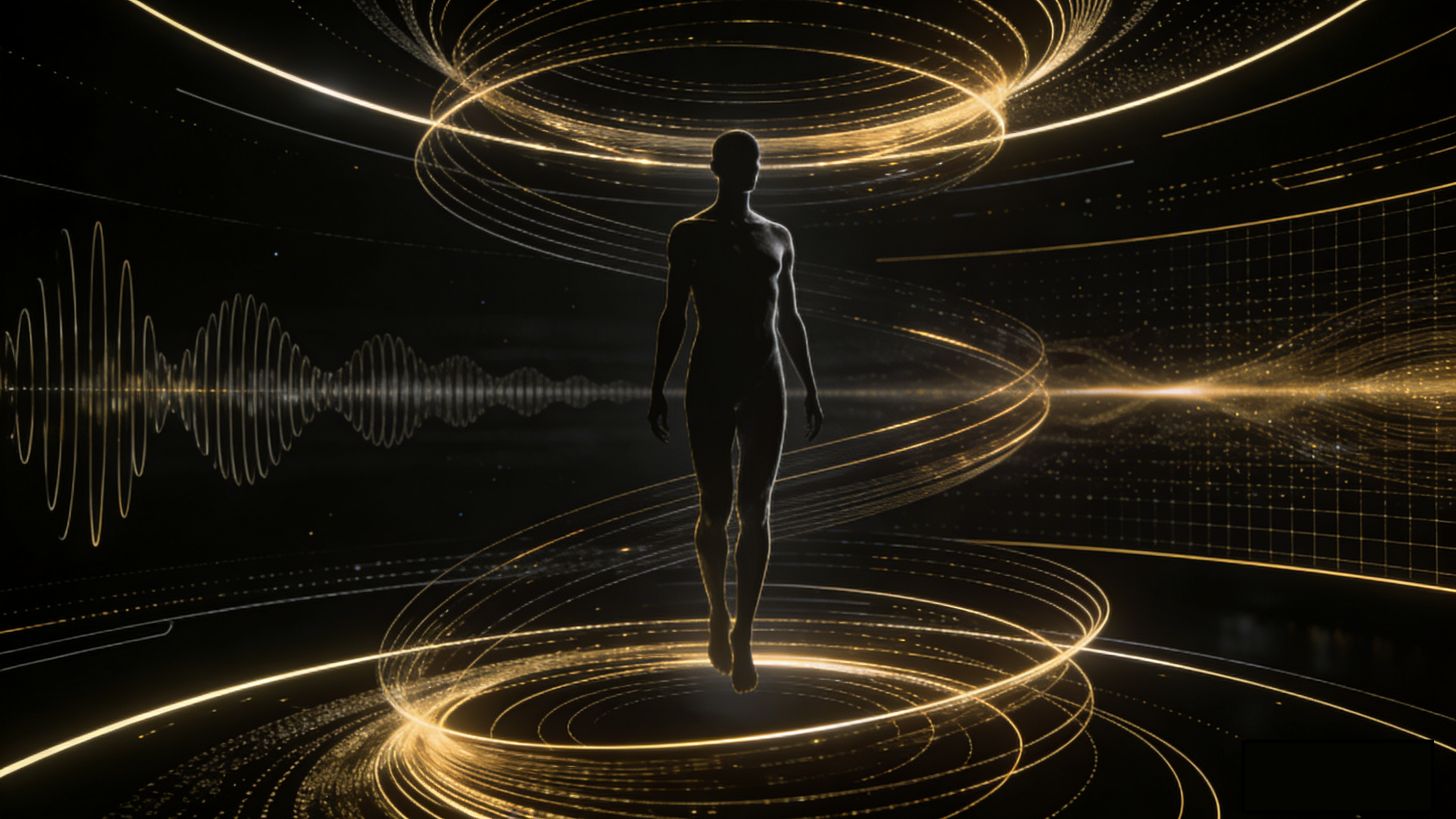
Many past discussions about stress, fatigue, mood fluctuation, insomnia, and sensory discomfort have tended to place the emphasis on the brain. It is often assumed that if we can identify a specific brain region or neural pathway, the problem will be sufficiently explained.
But an increasing body of research reminds us that human beings are not simply isolated brains in operation. Human state emerges from the continuous interaction between the brain, internal bodily signals, autonomic regulation, and the sensory environment outside the body.
This is why concepts such as interoception and allostasis are becoming increasingly important. Interoception concerns how people sense and integrate signals arising from within the body. Allostasis describes how the body adjusts itself in advance in order to prevent imbalance from escalating.
In other words, many issues that appear to arise suddenly may first be expressed as dysregulation, rather than as a failure in one isolated local system.
This becomes especially visible in contemporary life, where pressure, noise, and information density are persistently high. Many people do not immediately become "ill." Instead, they enter a condition that is harder to describe: sensory overload, slower recovery, scattered attention, poorer sleep quality, and a subtle but persistent state of tension across the body.
Environmental stimuli are not merely background. They actively participate in shaping human state. Long-term exposure to noise, excessive sensory load, disrupted rhythms, and environments lacking restorative qualities can all influence sleep, irritability, psychological burden, and even longer-term bodily risk.
In this sense, the environments we inhabit are not passive containers; they are part of the regulatory process itself.
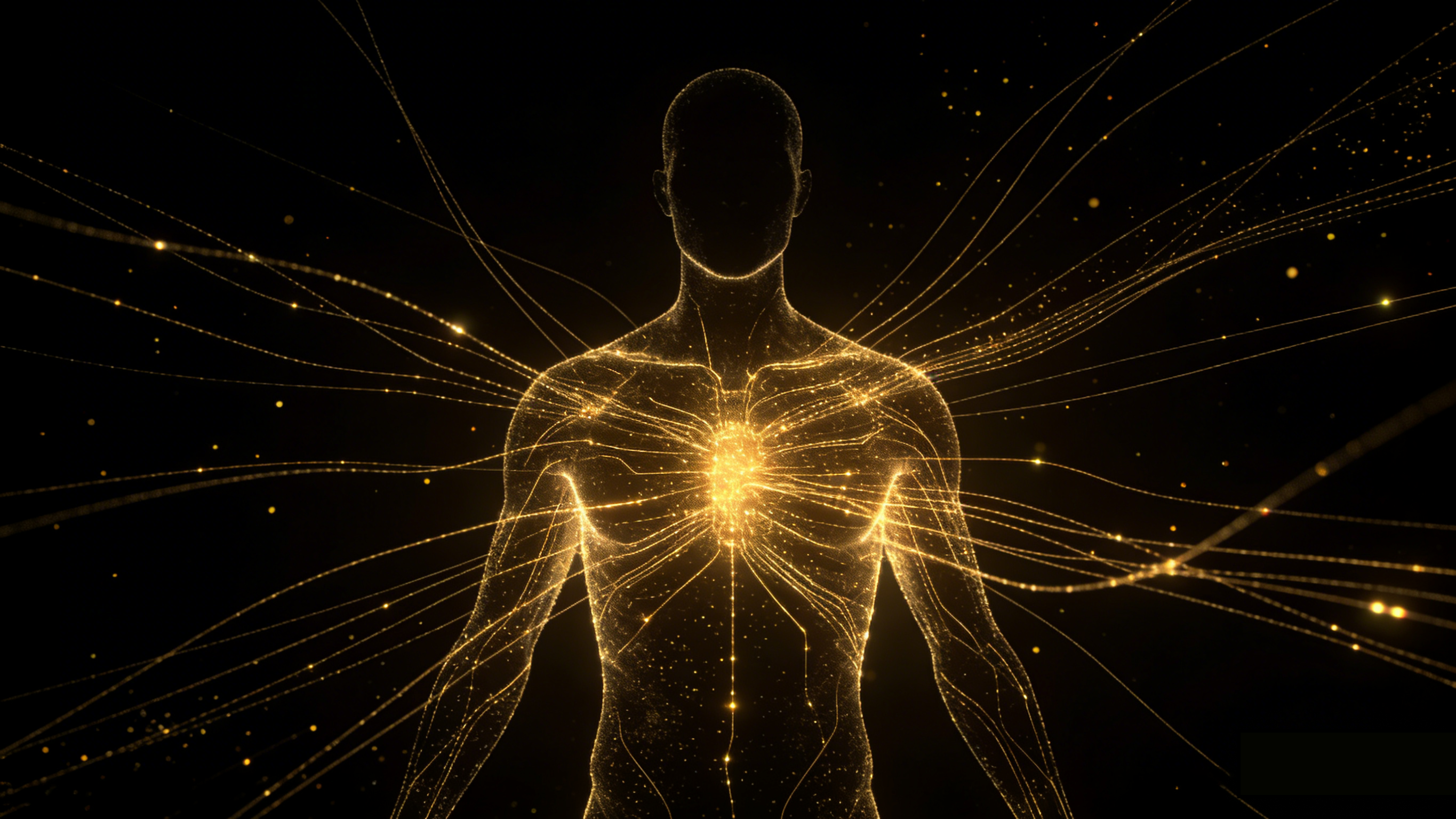
This is one of the reasons we are interested in multisensory coordination.
We prefer to understand it as an exploration of state-regulation technology, rather than exaggerating it into a universal therapy. The real question is not whether more stimulation is always better, nor whether vision, audition, smell, and touch should simply be layered together. The real question is whether there may be more coherent and meaningful relations among different sensory inputs when they are intentionally organized, sequenced, and designed — relations that could help people enter states that are more stable, more comfortable, and more appropriate to the task at hand.

Existing studies have already offered important hints. In certain settings, multisensory environments may influence emotion, arousal level, attention, and subjective comfort. At the same time, it is important to remain restrained. Methods, samples, stimulus designs, and evaluation standards vary significantly across studies, and truly mature, standardized, and reproducible solutions still require much more validation.
If these relationships can one day be measured more clearly, modeled more precisely, and optimized at the individual level, they may open new possibilities for emotional support, stress recovery, attentional maintenance, and immersive experience design. At that point, multisensory coordination would no longer be merely a concept. It could become a new way of understanding and supporting human state.
We believe that the next generation of research on human state will not belong only to traditional neuroscience, nor only to single-sense design. It is more likely to belong to a new cross-disciplinary path — one that understands the body, sensation, environment, and regulation together.
That path is still far from complete, but it deserves to be taken seriously.